Skip to product information
1 of 3

Antastic Tom

Test Tube Blackout Cover

Test Tube Blackout Cover

Regular price £3.99 GBP
Regular price Sale price £3.99 GBP
Sale Sold out
Taxes included. Shipping calculated at checkout.
Colour
Quantity

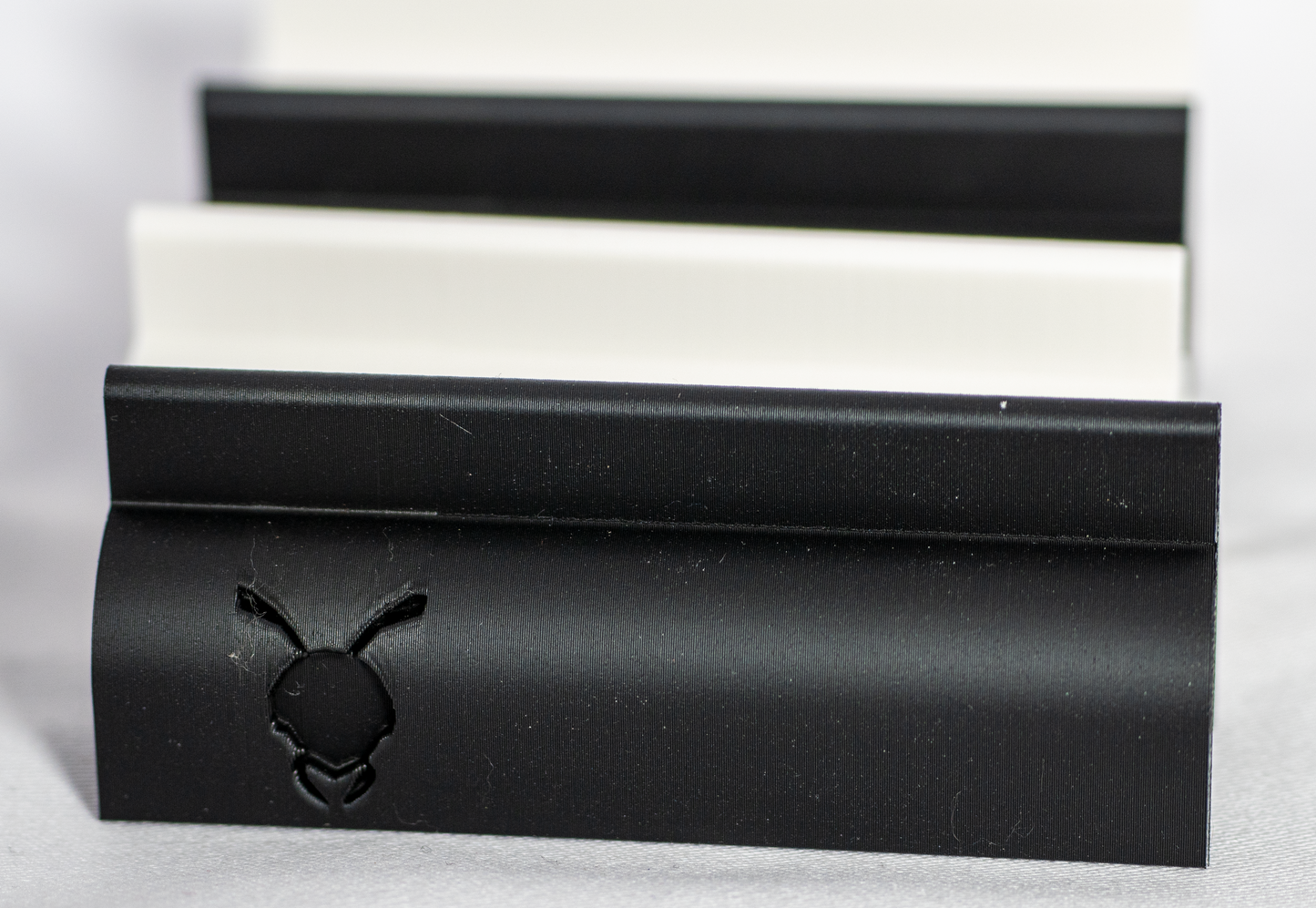
A simple removable blackout cover designed to reduce light exposure and disturbance for founding queens and early colonies.

Founding queens naturally seek dark, stable nesting spaces. The C-shaped cover slots directly over the test tube, creating a more sheltered environment without permanently hiding the colony from view.

When observation is needed, the cover can be lifted or slid back briefly without opening the test tube or disturbing the queen.

Best suited for:

  • Founding queens
  • Early colonies
  • Reducing unnecessary disturbance
  • Light-sensitive species
  • Brief, non-invasive observation

What’s included

  • 1 × PLA C-shaped test-tube blackout cover

The cover is supplied as a single removable piece and does not require screws, clips or assembly.

Dimensions and compatibility

Overall length: To be confirmed

Internal diameter: To be confirmed

Suitable test-tube outside diameter: 16mm

Material: PLA

The cover is designed for standard ant-keeping test tubes. Measure the outside diameter of the test tube before ordering, as tubes with the same advertised capacity can still have different external measurements.

The open C-shaped design allows the cover to flex slightly when being fitted, but it should not be forced onto an unsuitable tube.

Who it’s for

The Test-Tube Blackout Cover is designed for queens and small colonies housed in a standard test-tube setup.

It is particularly useful for:

  • Fully claustral queens during founding
  • Semi-claustral queens between feeding periods
  • Queens with their first workers
  • Colonies that react strongly to light
  • Test tubes kept in rooms with regular lighting or movement
  • Keepers who want to observe their colony without wrapping the tube in foil or card

The cover reduces direct light while remaining quick to remove. It is not intended to replace appropriate temperature control, vibration reduction or careful placement of the test tube.

Setup and use

  1. Position the cover over the queen and brood area, leaving the test-tube entrance accessible.
  2. When observing the colony, gently lift or slide the cover back. Replace it once the check is complete.

Do not squeeze the test tube or force the cover into place. If excessive pressure is required, stop and check the tube diameter.

The cover should not press against the cotton stopper or obstruct the entrance to the test tube.

Care and maintenance

  1. Position the cover over the queen and brood area, leaving the test-tube entrance accessible.
  2. When observing the colony, gently lift or slide the cover back. Replace it once the check is complete.

Do not squeeze the test tube or force the cover into place. If excessive pressure is required, stop and check the tube diameter.

The cover should not press against the cotton stopper or obstruct the entrance to the test tube.

Frequently asked questions

Does the cover make the test tube completely dark?

It substantially reduces direct light, but the C-shaped design may allow a small amount of indirect light to enter through the open side.

Positioning the opening downwards or away from the main light source will provide the darkest environment.

Why is it C-shaped rather than fully enclosed?

The open design allows the cover to be fitted and removed without disconnecting the test tube or disturbing the cotton stopper.

It also makes brief observation quicker than unwrapping foil, paper or fabric from around the tube.

Will it fit every test tube?

No. Test tubes vary in outside diameter even when they are advertised as having the same capacity.

Check the compatibility measurements and compare them with the outside diameter of your tube before ordering.

How do I measure my test tube?

Measure straight across the widest point on the outside of the tube.

Digital callipers will provide the most accurate measurement. Do not use the internal diameter, as the cover fits around the outside.

Should the cover hide the water reservoir?

It can cover the nesting section and part of the water reservoir, provided the condition of the water and cotton can still be checked regularly.

Do not leave the setup unchecked for long periods simply because the reservoir is hidden.

Can I observe the queen without removing the test tube?

Yes. Gently slide or lift the cover back, carry out a brief check and then return it to its normal position.

There is no need to open, rotate or shake the test tube.

How often should I check the queen?

Only as often as necessary. A quick check every several days is usually more appropriate than repeatedly exposing the queen throughout the day.

Some species tolerate disturbance better than others, but founding queens generally benefit from stability.

Does the cover prevent vibration?

No. It reduces light exposure but does not isolate the test tube from vibration or movement.

Place the tube on a stable surface away from speakers, frequently used drawers, doors and other sources of repeated disturbance.

Can it be used with an Antastic Tom Founding Pod?

Yes, provided there is enough clearance around the connected test tube and the selected cover fits the tube diameter.

The cover can remain over the nesting section while the test-tube entrance connects to the Founding Pod.

Is it suitable for transport?

It may help reduce light during short movements, but it is not a transport restraint and will not prevent the test tube from rolling or being damaged.

Secure the test tube separately during transport.

View full details