Skip to product information
1 of 1

Antastic Tom

Founding Pod

Founding Pod

Regular price £5.49 GBP
Regular price Sale price £5.49 GBP
Sale Sold out
Taxes included. Shipping calculated at checkout.
Colour
Quantity

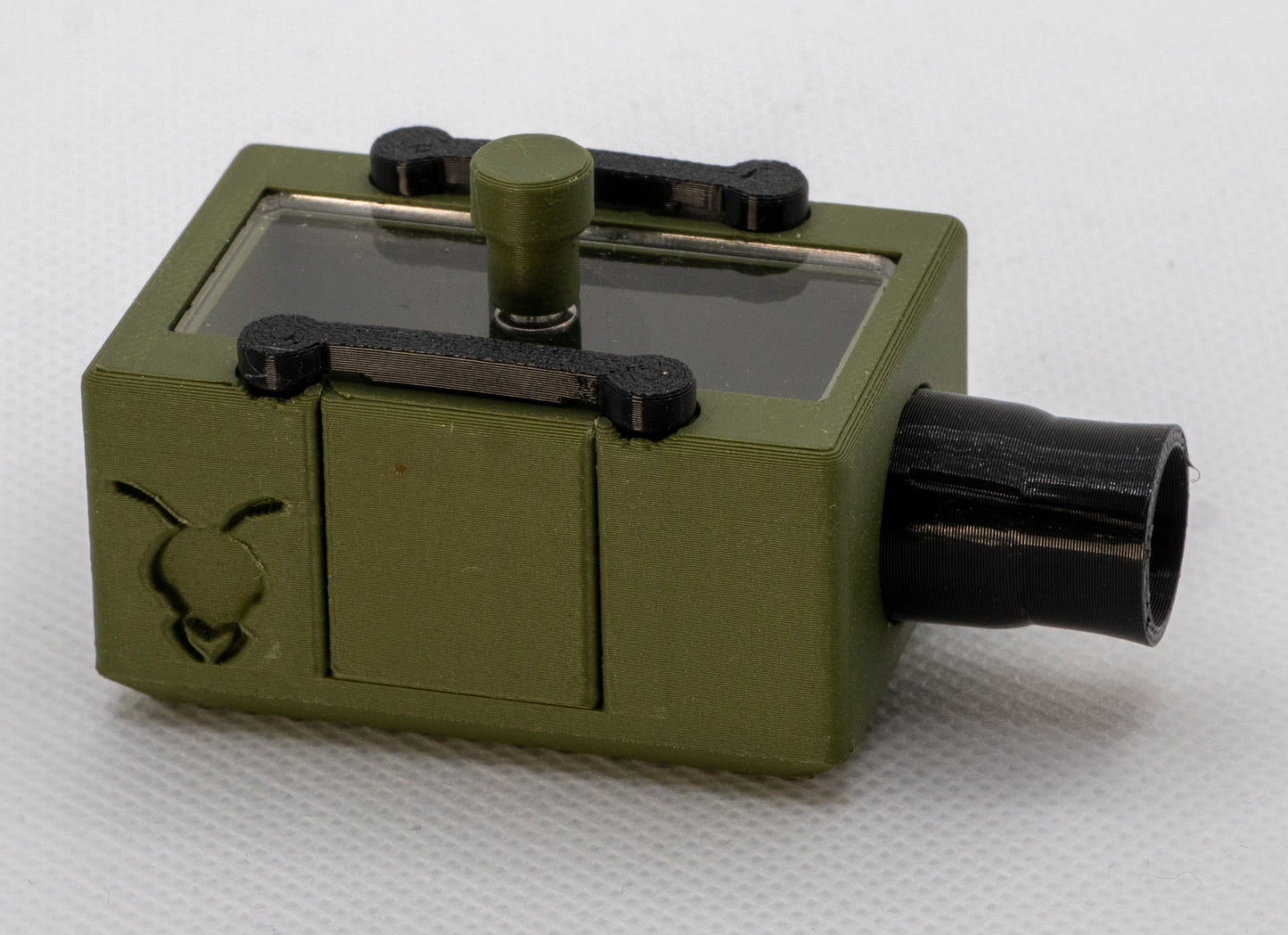
A calm, secure first environment designed for founding queens and early colonies.

The Founding Pod allows queens to remain inside the stability of a test tube while giving keepers controlled feeding access and gentle observation opportunities without unnecessary disturbance.

Designed around beginner-safe ant keeping principles:
small spaces, reduced stress, gradual expansion, and minimal intervention.

Best suited for:

  • Founding queens
  • Nanitic-stage colonies
  • Early feeding access
  • Low-disturbance observation

Compatible with:

  • Test Tube Connectors
  • Double Connectors
  • Small Nest systems
  • Starter Outworlds

Please note:

The tube connector is supplied only in black.

What’s included

  • 1 × PLA Founding Pod body
  • 1 × clear acrylic lid
  • 1 × PLA lid handle
  • 1 × M3 screw for attaching the handle
  • 1 × flexible TPU test-tube connector
  • 2 × PLA blanking connectors
  • 1 × removable feeding tray
  • 1 x blanking plug
  • 2 x TPU retention clips

Please note: The style and colour of the feeding tray may vary slightly, but its function will remain the same.

Dimensions and compatibility

External dimensions: To be confirmed

Internal feeding area: To be confirmed

Test-tube compatibility: Designed for test tubes measuring approximately 14–16 mm outside diameter

Materials: PLA, TPU and clear acrylic

The Founding Pod uses the Antastic Tom modular connector system and is compatible with all current Antastic Tom modular products, including compatible nests, outworlds and connectors.

Please measure the outside diameter of your test tube before ordering. Test tubes with a similar capacity can still have different external measurements.

Who it’s for

The Founding Pod is designed for the earliest stages of colony development, when a full nest or outworld would provide more space than the ants currently need.

It is best suited to:

  • Queens with their first workers
  • Small nanitic-stage colonies
  • Semi-claustral queens that require access to food during founding
  • Colonies taking their first step beyond a standard test-tube setup
  • Keepers who want controlled feeding access without moving the colony into a larger nest

A fully claustral queen will usually remain most secure in a closed test-tube setup until her first workers arrive. The Founding Pod should not be used to encourage a colony to leave its test tube before it is ready.

Setup and use

  1. Position the PLA handle over the hole in the acrylic lid and secure it using the supplied M3 screw. Tighten it only until secure; overtightening may damage the acrylic.
  2. Place the acrylic lid into the upper opening and check that it sits correctly and closes the pod securely.
  3. Insert the two blanking connectors into any unused connection ports.
  4. Insert retention clips into holes above connectors
  5. Gently but firmly push the test tube horizontally into the flexible TPU connector. The tube should feel secure without needing excessive force.
  6. Attach the TPU connector to the Founding Pod and check that there are no visible gaps around the tube, connector, lid or blanking plugs.
  7. Place a small amount of food on the removable feeding tray. Avoid placing loose food directly onto the floor where possible.
  8. Keep the nesting section of the test tube covered and allow the ants to enter the feeding area in their own time.

Do not shake, tilt or force ants from the test tube into the Founding Pod. The test tube remains their primary nesting space until the colony naturally requires an upgrade.

Care and maintenance

  1. Position the PLA handle over the hole in the acrylic lid and secure it using the supplied M3 screw. Tighten it only until secure; overtightening may damage the acrylic.
  2. Place the acrylic lid into the upper opening and check that it sits correctly and closes the pod securely.
  3. Insert the two blanking connectors into any unused connection ports.
  4. Insert retention clips into holes above connectors
  5. Gently but firmly push the test tube horizontally into the flexible TPU connector. The tube should feel secure without needing excessive force.
  6. Attach the TPU connector to the Founding Pod and check that there are no visible gaps around the tube, connector, lid or blanking plugs.
  7. Place a small amount of food on the removable feeding tray. Avoid placing loose food directly onto the floor where possible.
  8. Keep the nesting section of the test tube covered and allow the ants to enter the feeding area in their own time.

Do not shake, tilt or force ants from the test tube into the Founding Pod. The test tube remains their primary nesting space until the colony naturally requires an upgrade.

Frequently asked questions

Is the Founding Pod a nest?

Not in the traditional sense. The queen and colony normally remain inside their test tube, while the Founding Pod provides a small, controlled area for feeding, waste disposal and early exploration.

When should I connect a Founding Pod?

For fully claustral species, it is normally best added once the first workers have arrived and the colony requires feeding. Semi-claustral queens may benefit from feeding access earlier because they need to forage during founding.

What size test tubes does it fit?

The flexible connector is designed for test tubes measuring approximately 14–16 mm across the outside of the tube. Measure the external diameter before ordering rather than relying only on the advertised capacity of the tube.

Should I move the queen out of her test tube?

No. Connect the test tube horizontally and allow the ants to explore the Founding Pod naturally. Do not tip, shake or force the colony out.

Do I need to add substrate?

No substrate is required. Keeping the feeding area clear makes leftover food and waste easier to spot and remove. A very thin layer may be added for species that require additional grip, but it should not obstruct the connector or lid.

How often should I clean it?

Remove spoiled food and waste whenever necessary. A full clean is normally only required when the pod becomes dirty, sticky or difficult to maintain through spot cleaning.

Is it escape-proof?

The Founding Pod is designed to close securely when correctly assembled, but no ant setup should be assumed to be completely escape-proof. Check the lid, test tube, blanking plug/connectors and all connection points before introducing ants.

When should the colony move into a nest?

Upgrade when the test tube is becoming crowded, the colony is consistently using the feeding area, or maintaining the current setup is becoming difficult. Colony size matters more than age, so there is no fixed timetable.

Why does my feeding tray look different from the photographs?

The feeding tray style or colour may vary depending on the current production version. This does not affect its intended use or compatibility with the Founding Pod.

What are the TPU retention clips for?

The clips fit into the upper slots of the modular connection points. They help hold the connectors securely and reduce the risk of a connector being pulled out accidentally.

View full details