Skip to product information
1 of 1

Antastic Tom

Ant Test Tube Feeder Inserts – Pack of 2

Ant Test Tube Feeder Inserts – Pack of 2

Regular price £2.99 GBP
Regular price Sale price £2.99 GBP
Sale Sold out
Taxes included. Shipping calculated at checkout.
Colour
Quantity

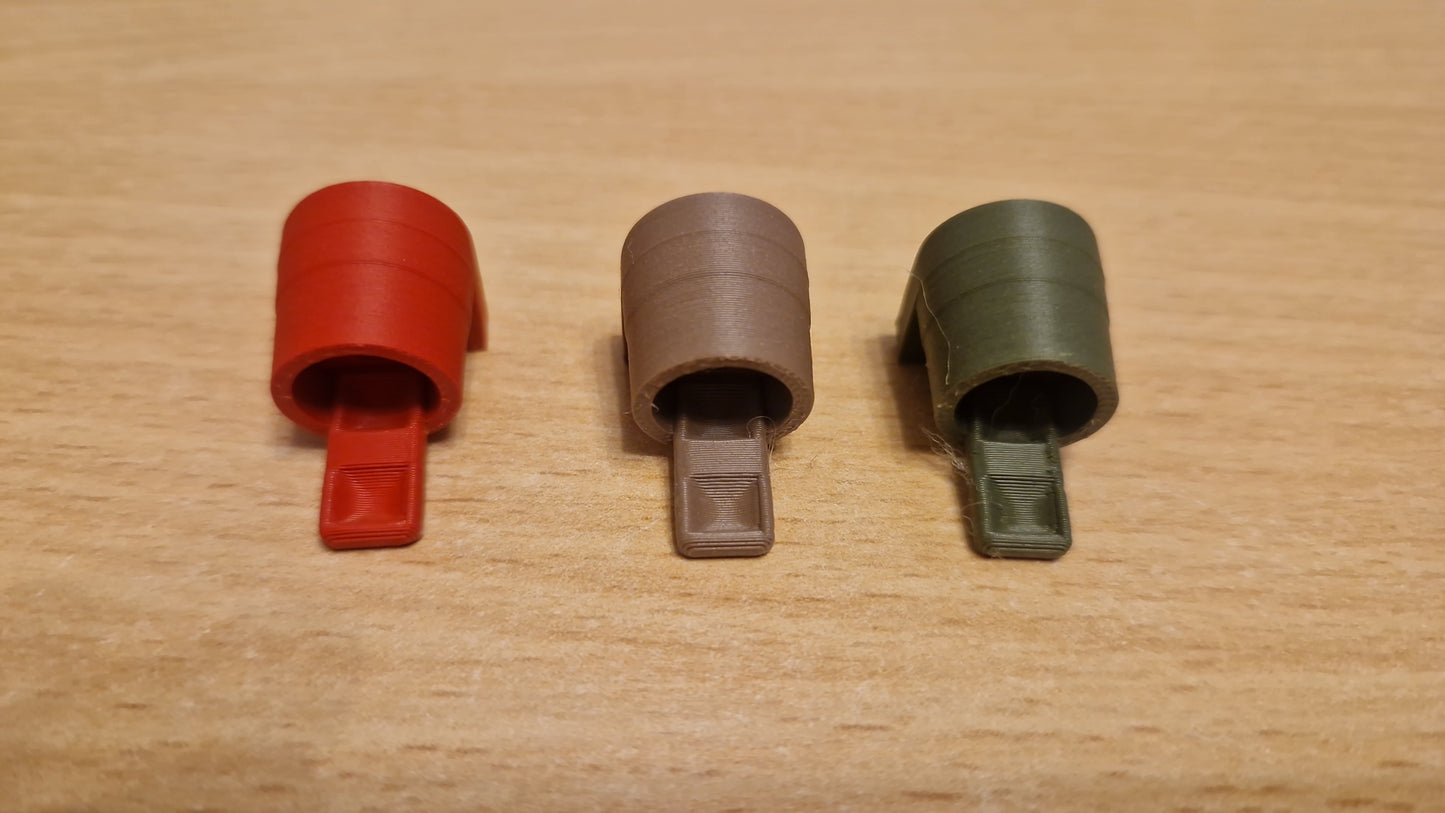
A compact feeding insert designed to provide small amounts of protein and liquid food directly inside an ant test tube.

The circular insert sits inside the open end of the test tube and provides a small feeding dish suitable for a piece of protein and a small drop of liquid food. A raised stand keeps the feeding area positioned neatly inside the tube, while a small cotton ventilation plug allows airflow.

It is particularly useful for semi-claustral queens, queens with their first workers and very small colonies that are still best kept in a test tube but need regular access to food.

Each pack contains two feeder inserts of the chosen colour, allowing one to remain in use while the other is being cleaned and prepared.

The ventilation cotton is supplied already fitted but should be replaced over time if it becomes dirty, damaged or heavily discoloured.

Best suited for:

  • Semi-claustral queens
  • Queens with their first workers
  • Very small developing colonies
  • Feeding without introducing a separate outworld
  • Small portions of protein
  • Small drops of liquid carbohydrates
  • Keeping test tube feeding controlled and easy to manage

What’s included

2 × Test Tube Feeder Inserts

Each insert includes:

  • 1 × integrated feeding dish
  • 1 × pre-fitted cotton ventilation plug

Food, test tubes and other accessories are not included.

The cotton is supplied ready to use but should be replaced once it becomes dirty, damaged or heavily discoloured.

Dimensions and compatibility

Designed for: 16 mm OD test tubes

Tested with: 100 mm and 150 mm long test tubes

Material: PLA with cotton ventilation plug

Insert dimensions: To be confirmed

The Test Tube Feeder Insert was designed around 16 mm outside-diameter test tubes and has been tested successfully with both 100 mm and 150 mm tube lengths.

The internal diameter of 16 mm OD test tubes can vary depending on wall thickness and manufacturer.

During testing, the 150 mm tube had a larger internal diameter than the 100 mm tube, but the feeder fitted and functioned correctly in both.

The insert should slide into the test tube securely without needing excessive force.

Because manufacturing tolerances vary, compatibility cannot be guaranteed with every 16 mm OD test tube.

Who it’s for

The Test Tube Feeder Insert is designed for ants that still benefit from remaining in the controlled environment of a test tube but need access to food.

It is particularly useful for:

  • Semi-claustral queens
  • Queens with their first workers
  • Nanitic colonies
  • Very small developing colonies
  • Keepers who do not yet need a separate outworld
  • Temporary feeding inside a test tube

It provides an intermediate option between feeding directly inside the tube and connecting a separate feeding area.

As worker numbers and feeding activity increase, moving to a Founding Pod or outworld will generally make colony maintenance easier.

Setup and use

  1. Check that the feeder insert and cotton ventilation plug are clean.
  2. Add a very small portion of protein to the feeding dish if required.
  3. Add a small drop of liquid carbohydrate if required.
  4. Carefully slide the insert into the open end of the test tube.
  5. Position it so it sits securely without requiring excessive force.
  6. Ensure the ventilation opening remains unobstructed.
  7. Return the test tube to its normal position.
  8. Check that the ants can access the food safely.
  9. Remove old food and replace the insert with the clean spare when necessary.

Avoid overfilling the feeding area.

Small colonies require very little food, and excess food inside a test tube can create unnecessary waste, moisture and contamination.

Care and maintenance

Remove old food before it begins to spoil or accumulate inside the test tube.

For routine maintenance:

  • Remove uneaten protein
  • Wipe or rinse away dried liquid food
  • Check the ventilation cotton
  • Replace contaminated or damaged cotton
  • Clean the feeding dish between uses
  • Allow the insert to dry before returning it to the colony

The supplied pair makes it easier to rotate clean feeders between uses.

Cleaning

Remove the insert from the test tube before cleaning.

  • Remove all food residue
  • Rinse the PLA insert using lukewarm water
  • Use a soft brush if food has dried into the feeding area
  • Rinse thoroughly
  • Allow the insert to dry completely
  • Check the cotton before reuse
  • Replace the cotton when required

Avoid boiling water, dishwashers, solvents, bleach and strongly scented cleaning products.

High temperatures can deform PLA, while chemical residues may be harmful to ants.

Frequently asked questions

What is a Test Tube Feeder Insert?

It is a small feeding platform designed to sit inside the open end of an ant test tube.

The insert provides a dedicated feeding area for a small piece of protein and a small drop of liquid food while allowing the queen or colony to remain housed in the test tube.

What food can I use with it?

The feeding dish can be used for small amounts of appropriate ant foods, including:

  • Small pieces of feeder insects
  • Tiny portions of other suitable protein foods
  • Small drops of sugar water
  • Other suitable liquid carbohydrate foods

Only provide the amount the queen or colony is likely to use.

How much liquid should I add?

Use a small drop rather than filling the feeding area.

The insert is intended for controlled feeding, not for holding a large volume of liquid.

Too much liquid can increase the risk of ants becoming trapped and can make the test tube unnecessarily wet.

Is the liquid feeding area drown-proof?

No.

Only a very small quantity of liquid should be offered, particularly with queens, nanitics or very small workers.

The amount provided, the consistency of the liquid and the size of the ants can all affect the risk.

What is the cotton plug for?

The small cotton section provides ventilation through the feeder insert while preventing ants from escaping through the airflow opening.

The cotton is supplied already fitted.

Does the cotton need replacing?

Yes, over time.

The cotton can remain in place while it is clean and functioning correctly, but it should be replaced if it becomes:

  • Dirty
  • Damaged
  • Heavily discoloured
  • Contaminated with food
  • Pulled apart by the ants

Always use clean cotton when replacing it.

Why are two inserts supplied?

The pack contains two so they can be rotated.

One feeder can remain in use while the other is being cleaned, dried and prepared for the next feeding.

Can it replace a Founding Pod or outworld?

For very small colonies, it can allow food to be provided without immediately introducing a separate feeding area.

As the colony grows and feeding becomes more frequent, a Founding Pod or outworld will usually become more practical.

Is it suitable for fully claustral queens?

Most fully claustral queens do not normally require feeding during the founding stage.

The feeder is more useful for semi-claustral queens, queens with workers or very small colonies that require food while still housed in their test tube.

Can I leave food inside permanently?

No.

Protein and other perishable foods should be removed once they are no longer being consumed.

Liquid sugars should also be replaced rather than repeatedly topped up over old residue.

Keeping the feeding area clean is particularly important inside the confined space of a test tube.

What size test tubes does it fit?

The feeder is designed around 16 mm outside-diameter test tubes and has been tested successfully with both 100 mm and 150 mm long test tubes.

Test tubes with the same outside diameter can still have slightly different wall thicknesses and therefore different internal diameters.

The 150 mm tubes used during testing had a larger internal diameter than the 100 mm tubes, but the feeder fitted and functioned correctly in both.

Because manufacturing tolerances vary between suppliers, compatibility cannot be guaranteed with every 16 mm OD test tube.

View full details