Skip to product information
1 of 2

Antastic Tom

Ant Feeding Dishes – Pack of 5

Ant Feeding Dishes – Pack of 5

Regular price £1.99 GBP
Regular price Sale price £1.99 GBP
Sale Sold out
Taxes included. Shipping calculated at checkout.
Quantity

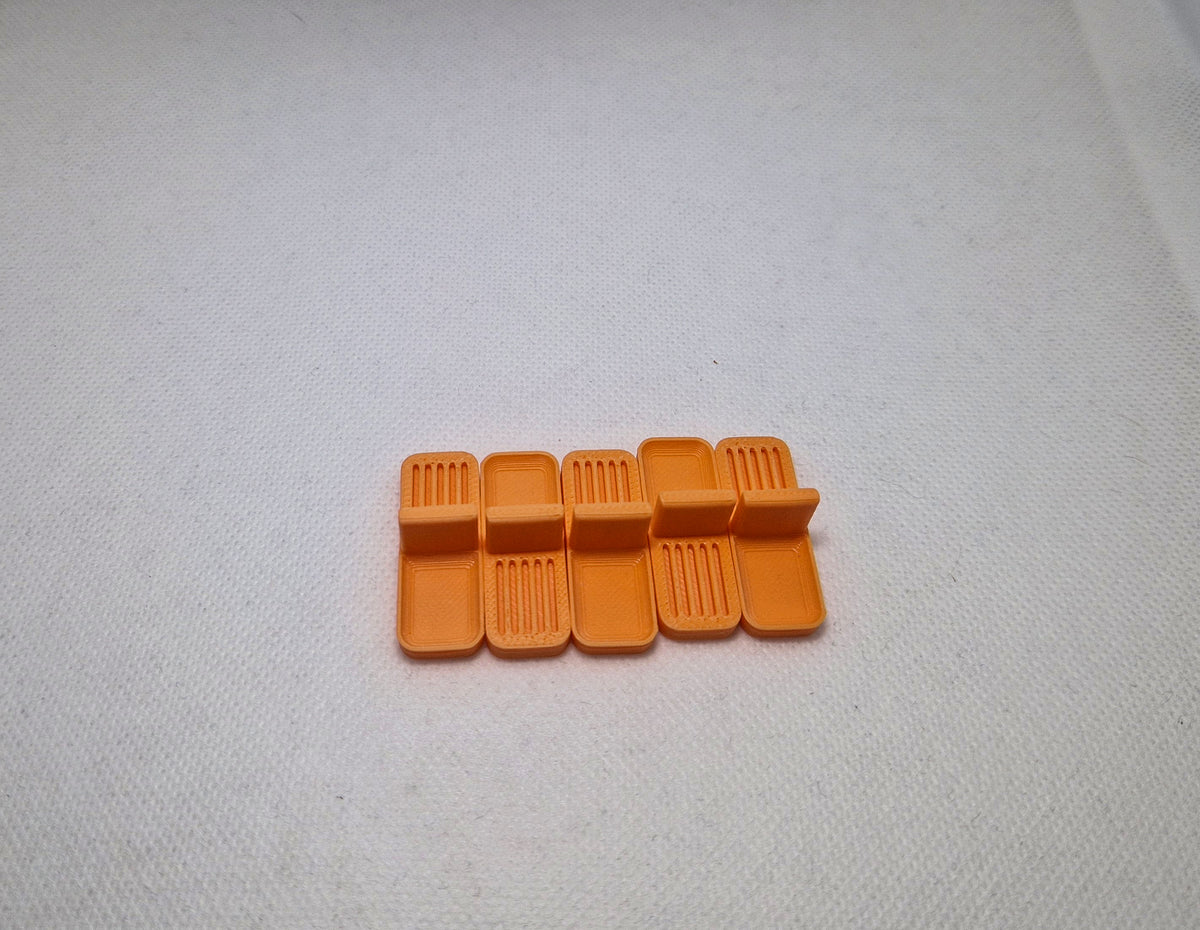
A pack of five compact ant feeding dishes designed to keep protein and sugars contained in one simple feeding area.

Each rectangular dish has two separate sections:

  • A small bowl for protein, insects or other solid foods
  • A slotted sugar section designed to provide ants with additional footing while they drink

The divided design makes feeding easier to manage inside an outworld while helping keep food away from the enclosure floor.

The slotted sugar section reduces the amount of completely open liquid surface and gives workers something to stand against while feeding. However, it should not be considered completely drown-proof. Risk will vary depending on the species, worker size, amount of liquid used and the consistency of the sugar solution.

Best suited for:

  • Sugar water and other liquid carbohydrates
  • Small portions of protein
  • Insect pieces
  • Everyday colony feeding
  • Keeping food contained inside an outworld
  • Small and growing colonies

Supplied as a pack of five, allowing dishes to be rotated, cleaned or used across several colonies.

What’s included

5 × Ant Feeding Dishes

Each dish contains:

  • 1 × recessed protein feeding area
  • 1 × slotted sugar feeding area

Food, sugar solution and other accessories are not included.

Who it’s for

The Ant Feeding Dishes are designed for keepers who want a simple, reusable way of offering protein and carbohydrates without placing food directly onto the outworld floor.

They are particularly useful for:

  • Founding colonies with workers
  • Small and growing colonies
  • Established colonies requiring controlled food portions
  • Keepers managing several colonies
  • Separating protein and sugars
  • Making leftover food easier to remove
  • Keeping outworlds cleaner

The pack of five also allows several colonies to be fed simultaneously or gives you spare dishes to rotate while others are being cleaned.

Setup and use

  1. Place the feeder on a flat section of the outworld floor.
  2. Add a small portion of protein to the recessed bowl.
  3. Add a small amount of sugar solution to the slotted section.
  4. Avoid flooding the sugar section.
  5. Make sure the feeder remains level.
  6. Observe the colony when first introducing a new liquid food.
  7. Remove uneaten protein and old sugar residue when necessary.
  8. Clean and dry the feeder before reusing it.

For liquid sugars, start with less than you think you need.

The slotted design provides additional footing but does not remove all drowning or entrapment risk. Particular care should be taken with very small workers and unusually thin, deep or sticky foods.

Care and maintenance

Remove old food and residue regularly rather than continually adding fresh food on top.

Protein should not be left to decay inside the feeder, and dried sugar can gradually build up between the slotted sections.

For routine maintenance:

  • Remove uneaten protein
  • Dispose of old sugar solution
  • Rinse away sticky residue
  • Check the slots for dried food
  • Allow the feeder to dry before reuse
  • Replace the feeder with a clean one when necessary

Having five dishes makes it practical to rotate clean feeders between colonies.

Cleaning

Remove the dish from the outworld before cleaning.

Wash using lukewarm water and remove visible food residue with a soft brush if necessary.

Pay particular attention to the slotted sugar section, where dried carbohydrates may accumulate.

Avoid boiling water, dishwashers, solvents, bleach and strongly scented cleaning products.

If the dishes are PLA, high temperatures may deform the material.

Frequently asked questions

What are the two sides of the feeder for?

The recessed bowl is primarily intended for protein and solid foods such as small pieces of feeder insects.

The slotted section is designed for liquid sugars. The raised divisions provide additional surfaces for workers to stand on while feeding and reduce the amount of completely open liquid compared with a simple bowl.

Are the sugar feeders drown-proof?

No.

The slotted design provides additional footing and can reduce the risk compared with a completely open pool, but it cannot eliminate drowning or entrapment completely.

The risk will depend on factors including:

  • Ant species and worker size
  • How much liquid is added
  • The depth of the sugar solution
  • The consistency of the solution
  • How sticky the food becomes as it dries

Always use a small quantity and check how your colony interacts with the feeder.

How much sugar solution should I add?

Use only enough to make the sugar accessible between the slotted sections.

Avoid completely filling or flooding the feeder. A small amount is generally easier for the ants to access and reduces the amount of exposed liquid.

You can always add more if the colony consumes it quickly.

What sugars can I use?

The feeder can be used with common liquid carbohydrate foods used in ant keeping, including appropriately prepared sugar water.

Very sticky or concentrated foods should be offered cautiously, particularly with very small workers, as ants can potentially become trapped.

Follow the appropriate feeding requirements for the species you keep.

Can I use honey?

It can physically hold honey and similar foods, but very thick or sticky substances can present an entrapment risk to smaller ants.

If using a thick food, offer only a very small amount and monitor the colony.

What can I put in the protein section?

The recessed section can be used for small portions of suitable protein foods, particularly prepared feeder insects or pieces of insects.

Avoid adding considerably more food than the colony can consume, as uneaten protein can dry out, spoil or encourage mould.

Can I use both sections at the same time?

Yes.

The dish is specifically designed so that a small protein portion and carbohydrate source can be offered together while remaining separated.

How often should I remove uneaten food?

Protein and other perishable foods should be removed once they are no longer being consumed or begin to deteriorate.

Sugar residue should also be cleaned away regularly rather than repeatedly topping up old food.

Exactly how often this is required will depend on temperature, food type and colony activity.

Can they be reused?

Yes.

The dishes are designed to be cleaned and reused. The pack of five also makes it easier to replace a dirty feeder immediately while another is being cleaned.

Are they suitable for very small ants?

They can be used with small species, but extra care should be taken with liquid foods.

Smaller workers may be more vulnerable to becoming trapped in deep or sticky liquids. Start with very small quantities and observe how the ants use the feeder.

Do these replace a water feeder?

No.

These dishes are intended primarily for food and liquid carbohydrate sources.

Colonies should still have access to a suitable source of plain drinking water and any nest hydration required by the species.

View full details
  • 5 stars: 1 (100%)
  • 4 stars: 0 (0%)
  • 3 stars: 0 (0%)
  • 2 stars: 0 (0%)
  • 1 star: 0 (0%)
M
Mr

Great product